

- Your cart is empty
- Continue shopping
Sajje Rotti : A Nutritious Alternative for Your Meals
-
kalaburagi
- Posted on
- Categories:Rotti, Sajje rotti
- 0 comments

Sajje Rotti: A Nutritious Alternative for Your Meals
Introduction
In recent years, traditional Indian foods have gained recognition for their health benefits. One such staple is Sajje Rotti, a flatbread made from pearl millet (Sajje in Kannada). This gluten-free, fiber-rich alternative to wheat-based rotis is a great choice for those looking to incorporate healthy grains into their diet. Sajje Rotti is popular in Karnataka, particularly in rural households, and is often paired with spicy chutneys, curries, or yogurt.
What is Sajje Rotti?
Sajje Rotti is a type of Indian flatbread made from pearl millet flour. It is a traditional dish in Karnataka and other southern states, known for its coarse texture and earthy flavor. Pearl millet is one of the oldest cultivated grains and is packed with essential nutrients, making Sajje Rotti a highly nutritious option for daily consumption.
Unlike wheat-based rotis, Sajje Rotti does not contain gluten, making it a suitable choice for people with gluten intolerance or celiac disease. It is a perfect meal component for those seeking a balanced diet with high fiber and protein content.
Nutritional Benefits of Sajje Rotti
- Rich in Essential Nutrients
Pearl millet is loaded with vitamins and minerals, including iron, magnesium, phosphorus, and B vitamins. These nutrients contribute to better metabolism, bone health, and overall well-being.
- High Fiber Content
Sajje Rotti is a great source of dietary fiber, which helps in digestion and prevents constipation. Fiber also keeps you full for longer, making it an ideal choice for weight management.
- Gluten-Free Alternative
For individuals with gluten sensitivity or celiac disease, Sajje Rotti serves as an excellent substitute for wheat rotis, ensuring they don’t miss out on essential nutrients.
- Good for Diabetics
Pearl millet has a low glycemic index, which helps regulate blood sugar levels. Regular consumption of Sajje Rotti can be beneficial for individuals with diabetes, as it prevents sudden spikes in blood sugar.
- Aids Heart Health
The presence of magnesium and potassium in pearl millet helps in maintaining healthy blood pressure levels and reducing the risk of cardiovascular diseases.
- Boosts Immunity
With a good amount of antioxidants, Sajje Rotti helps in strengthening the immune system, protecting the body from infections and diseases.
How to Make Sajje Rotti
Making Sajje Rotti is simple, though it requires some practice to perfect. Here’s a traditional recipe:
Ingredients:
- 1 cup Sajje (pearl millet) flour
- ½ cup warm water (as needed)
- Salt to taste
- 1 tsp ghee or oil (optional for flavor)
Method:
- Prepare the Dough: Take the Sajje flour in a bowl, add salt, and mix well. Gradually add warm water and knead the dough until it becomes soft and pliable. Unlike wheat flour, Sajje flour lacks gluten, so it doesn’t form an elastic dough.
- Shaping the Rotti: Take a small portion of the dough and place it on a banana leaf or a plastic sheet. Flatten it using your fingers or a rolling pin to form a thin, circular shape.
- Cooking the Rotti: Heat a tawa (griddle) and transfer the rotti onto it carefully. Cook on medium flame until one side is golden brown, then flip and cook the other side.
- Serving: Serve hot with chutney, brinjal curry, or yogurt for a delicious and healthy meal.
Best Side Dishes for Sajje Rotti
1. Brinjal Ennegai : A spicy and flavorful stuffed brinjal curry that pairs exceptionally well with Sajje Rotti.
2. Chutney Varieties : Coconut chutney, groundnut chutney, or tomato chutney add a tangy and spicy flavor to the rotti.
3. Vegetable Sambar : A wholesome combination of lentils and vegetables that enhances the meal’s nutritional value.
4. Curd and Pickle : For a quick and simple meal, Sajje Rotti can be served with fresh curd and a side of pickle.
Why Should You Include Sajje Rotti in Your Diet?
With growing health concerns, replacing refined grains with whole grains like pearl millet is a wise choice. Sajje Rotti provides sustained energy, is easy to digest, and supports overall health.
1. For Weight Loss
Since it is rich in fiber, Sajje Rotti helps in keeping hunger pangs at bay, making it easier to maintain a calorie deficit.
2. For Gut Health
Its high fiber content supports a healthy gut microbiome, promoting better digestion and nutrient absorption.
3. For Better Energy Levels
Pearl millet provides complex carbohydrates, ensuring a steady release of energy throughout the day.
4. For Managing Lifestyle Disorders
Sajje Rotti can help in preventing obesity, diabetes, and heart diseases when consumed as part of a balanced diet.
🛒 Order Authentic Kalaburagi Special Foods Online
🌾 Jawar Rotti | 🌾 Sajje Rotti | 🥜 Shenga Hinndi | 🌾 Dhapati Rotti | 🌾 Shenga Holige
🎉 Makar Sankranti Special Combo (Kalaburagi Butthi) | 🌿 Agasi Chutney Powder | 🌶️ Banada Hittu / Methkoot / Menthe Hittu
✔ Freshly Prepared | ✔ Traditional Taste | ✔ Home-Style Quality
What is the use of Sajja Rotte? Sajja Rotte, also known as pearl millet roti or bajra roti, is a traditional Indian flatbread made from gluten-free pearl millet flour, water, and a pinch of salt, cherished for its rich nutritional profile and earthy flavor. It serves as a versatile staple that can be enjoyed with chutneys, vegetable curries, dal, yogurt, or even jaggery and sesame for a sweet twist, making it suitable for breakfast, lunch, or dinner. Packed with fiber, essential minerals like magnesium and iron, and antioxidants, Sajja Rotte aids digestion, supports heart and bone health, provides sustained energy, and helps maintain stable blood sugar levels. Its gluten-free nature makes it ideal for those with dietary restrictions, while its hearty texture and wholesome taste make it a filling and nutritious alternative to refined wheat breads, allowing modern households to enjoy the benefits of a traditional superfood in everyday meals.
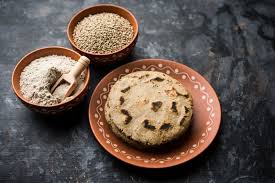
Sajje rotti ingredients The ingredients for Sajje Rotti (Pearl Millet Roti) are simple and wholesome, reflecting its traditional roots. You need sajje (pearl millet) flour, water to knead the flour into a soft dough, and a pinch of salt for taste. Optionally, a little ghee or oil can be used while cooking or to brush on the rotti for extra flavor. These basic ingredients come together to create a nutritious, gluten-free flatbread that is rich in fiber, minerals, and energy, making it a healthy and versatile addition to everyday meals.
Sajje Rotti Recipe To make Sajje Rotti, start by taking 1 cup of sajje (pearl millet) flour in a mixing bowl and add a pinch of salt. Gradually add warm water, a little at a time, and knead it into a soft, pliable dough. Divide the dough into small balls and flatten each ball between your palms or on a clean surface to form a thin round rotti. Heat a tava or griddle on medium heat and cook each rotti for 1–2 minutes on one side until small bubbles appear, then flip and cook the other side, pressing gently with a spatula to ensure even cooking. Optionally, brush a little ghee or oil on top before serving. Serve the hot Sajje Rotti with chutney, curry, or yogurt for a wholesome, traditional meal.
Sankranti Festival Recipes
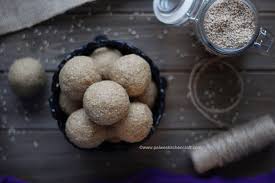
Ellu-Bella (Sesame & Jaggery Mix) A traditional mixture of roasted sesame seeds, jaggery, and dry fruits, symbolizing unity and goodwill. It is customarily shared among family and friends during Sankranti.
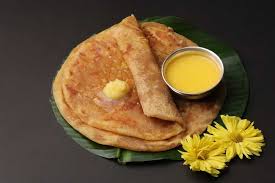
Shenga Holige (Peanut Holige) is a traditional Karnataka sweet prepared mainly during festivals like Ugadi, Sankranti, and special family occasions. It is a soft, thin flatbread stuffed with a flavorful filling made from roasted groundnuts (shenga), jaggery, and aromatic spices. Compared to bele holige or chana dal holige, shenga holige has a rich nutty taste and is lighter on the stomach.
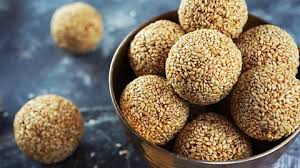
Tilgul Laddus (Sesame-Jaggery Balls) Round sweets made from sesame seeds and jaggery, exchanged among friends and family with the traditional saying “Tilgul ghya, god god bola,” which means “Take sesame and jaggery, speak sweet words.
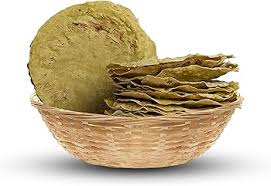
Sajje Rotti (Pearl Millet Roti) A wholesome and nutritious flatbread made from pearl millet flour, perfect for the harvest season. It is high in fiber, minerals, and energy, making it an ideal festive meal.
Tags:
